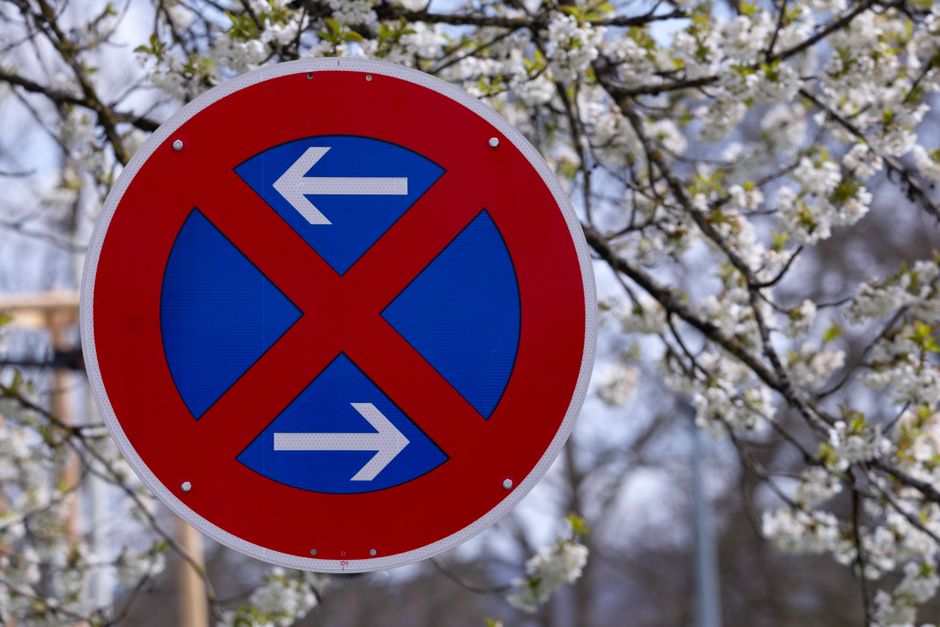
Road closure parking restriction guidance for Southgate removals
If you are planning a move in Southgate, road closures and parking restrictions can turn a straightforward removals day into a bit of a headache. One minute the van is lined up outside your address, the next you are dealing with cones, suspended bays, a temporary traffic order, or a delivery-only zone that nobody mentioned until the morning of the move. This guide to Road closure parking restriction guidance for Southgate removals walks you through what to check, how to plan ahead, and how to avoid the classic last-minute scramble.
It is written for anyone moving house, flat, office, or student accommodation in the area, and it keeps things practical. You will find step-by-step guidance, common mistakes, a checklist, and a realistic example of how a moving day can unravel if parking is left too late. To be fair, that is where most stress starts: not with the lifting, but with the kerbside logistics.
If you are arranging a larger relocation, it can also help to look at broader support such as removals, home moves, or even office removals if the job is commercial. Good planning is the real difference-maker here.
Table of Contents
- Why Road closure parking restriction guidance for Southgate removals Matters
- How Road closure parking restriction guidance for Southgate removals Works
- Key Benefits and Practical Advantages
- Who This Is For and When It Makes Sense
- Step-by-Step Guidance
- Expert Tips for Better Results
- Common Mistakes to Avoid
- Tools, Resources and Recommendations
- Law, Compliance, Standards, or Best Practice
- Options, Methods, or Comparison Table
- Case Study or Real-World Example
- Practical Checklist
- Conclusion
- Frequently Asked Questions
Why Road closure parking restriction guidance for Southgate removals Matters
Moving vans need space. That sounds obvious, but in Southgate the available roadside space can change quickly because of street works, permit rules, loading suspensions, event closures, or a short-notice restriction for utilities or resurfacing. If you arrive without checking, the van may have nowhere legal to stop. Then the whole move slows down: loading takes longer, carrying distances increase, neighbours get annoyed, and costs can creep up if the crew has to wait or re-park repeatedly.
There is another layer too. A parking bay that looks open may not be available for your move. Temporary signs, painted suspension notices, and access barriers can all change the rules for the day. Sometimes the restriction is only for a few hours. Sometimes it covers an entire stretch of road. And sometimes the road is open to traffic but simply unsuitable for a removals vehicle because of width, turning space, or access limitations. That is where proper guidance matters.
When you prepare well, you protect the move from avoidable delays. You also reduce stress for everybody involved. The driver is not guessing. The helpers are not carrying boxes around the corner in drizzle, and the landlord or building manager is not getting three phone calls before 9am. Nice and calm. Much better.
Expert summary: the aim is not just to "find parking", but to secure legal, practical vehicle access close to the property, with enough time, space, and flexibility for loading and unloading.
How Road closure parking restriction guidance for Southgate removals Works
In practical terms, the process is about matching three things: the move date, the vehicle size, and the exact street conditions outside your property. A removals team may use a smaller vehicle, a standard van, or something larger depending on the job. The wrong choice can make a narrow street or temporary closure much harder to manage.
The guidance usually works in stages. First, identify whether the road outside your property is likely to be affected by closures or parking controls. Second, check whether you need a loading bay, a suspension of parking, or a clear stretch of kerbside space. Third, plan the arrival time so the vehicle can park as close as safely and legally possible. Finally, make sure everyone involved knows the plan, especially if you are in a flat, managed block, or shared street with limited access.
For many moves, a flexible vehicle option can help. A man and van arrangement or a dedicated removal van may suit tighter roads better than a larger truck. For heavier or bulkier loads, a moving truck can be appropriate, but only if the road layout and parking situation can actually support it. That part gets overlooked more often than you would think.
Southgate includes residential streets, busier routes, flats, and mixed-use buildings, so one-size-fits-all advice is not much use. A move from a quiet side street can be very different from a relocation near a busier road or a building with restricted forecourt access. The point is to plan for the actual street, not the idea of the street.
Key Benefits and Practical Advantages
Good parking and closure planning saves time, money, and energy. It also makes the whole moving day feel more controlled, which is a lot rarer than people expect.
- Less waiting around: the crew can start loading as soon as they arrive.
- Fewer awkward carries: boxes and furniture stay closer to the entrance.
- Lower risk of damage: shorter carry distances usually mean fewer bumps, scrapes, and near-misses.
- Better neighbour relations: you are less likely to block driveways or create a bottleneck in the street.
- More accurate scheduling: if access is planned, arrival times are more reliable.
- Improved safety: fewer rushed lifts and less back-and-forth in traffic.
For flats and upper-floor properties, the benefit can be even bigger. A short walk from the van matters much more when stairs are involved. The same is true for office moves, where computers, files, chairs, and desks need to move efficiently without clogging corridors or causing disruption to other occupants. That is where linked services like flat removals, office relocation services, or same-day removals can become relevant depending on your timetable.
And yes, sometimes the biggest benefit is simply peace of mind. You know the van can stop where it should stop. That little certainty removes a lot of noise from the day.
Who This Is For and When It Makes Sense
This guidance is useful for more people than you might first think. It is not only for homeowners with a big removal lorry outside the door. It helps tenants, landlords, office managers, students, and anyone booking transport for bulky items.
- House movers: especially where parking is tight or a road closure could affect access.
- Flat movers: if the building is on a narrow street or in a controlled parking zone.
- Office movers: when equipment needs efficient loading and unloading without workplace disruption.
- Students: if the move happens during busy periods, term starts, or roadworks season.
- Furniture collections: useful for one-off items such as sofas, tables, or appliances.
- Specialist moves: pianos, fragile items, or heavier household goods need better access planning.
If your move involves heavier furniture or something awkward to carry, the access question becomes even more important. A sofa that would be fine with a nearby parking spot can become a nuisance if the van has to stop far away. The same applies to furniture removals, piano removals, and furniture pick-up.
It makes sense any time your street is busy, partially restricted, or likely to be affected by roadworks. In Southgate, that can mean planning a little earlier than you would for a simple curbside stop elsewhere. Not dramatic. Just sensible.
Step-by-Step Guidance
Here is a practical way to handle road closure and parking issues without making it a full-time job.
- Check the move address carefully. Confirm the exact front door, not just the postcode. Back entrances, side roads, and service access points matter.
- Look at the street layout. Is it a one-way road, a narrow residential street, or a shared access lane? Can a van safely turn and stop?
- Identify likely restrictions. Watch for suspended bays, loading limits, yellow lines, resident permit areas, and temporary road closure signs.
- Plan for the vehicle size. A smaller van may suit a tighter road better than a larger truck. Be realistic rather than optimistic.
- Time the arrival properly. Avoid peak traffic if possible. Early morning can help, though building rules and neighbours may change the picture.
- Confirm where loading will happen. Decide the exact stop point and make sure the team knows it in advance.
- Prepare for an alternative plan. If the road is blocked, know the nearest workable side street or loading point.
- Brief everyone involved. Tenants, family members, helpers, and building managers should all understand the access plan.
- Keep a small buffer. Because, let's face it, moving days love a surprise.
A useful habit is to think in terms of "first choice" and "fallback" parking. First choice is the closest legal stopping point. Fallback is the next-best option if the road closure or parking restriction changes. That simple backup plan can save the day.
Expert Tips for Better Results
After enough moving days, a few patterns become obvious. The best moves are rarely the flashiest. They are the ones where access was thought through early.
1. Do not leave the kerbside decision until the morning. Morning-of checks are helpful, but they should not be the only check. Temporary restrictions can be posted in advance, and if you notice them late, your options shrink quickly.
2. Keep the route short and clear. Inside the property, remove clutter near the front door or lift access. Outside, make sure the van can stop without awkward reversing or blocking a neighbour's drive.
3. Use the right moving support. For smaller or more flexible jobs, a lighter setup may be easier to position. For larger household moves, a larger vehicle can be more efficient if the street can handle it. If you are comparing options, pages like man with a van and man with van may help you think through the practical differences.
4. Expect congestion near schools, stations, and shopping areas. Southgate has pockets where traffic patterns change noticeably during the day. A van that can park easily at 10am may be in a worse position at school-run time. It sounds obvious, but this gets missed.
5. Build in communication. If the road changes on the day, someone needs to make a quick decision. One phone call, not six.
6. Keep important documents accessible. If you need parking permission details, booking confirmations, or building instructions, have them ready in one place. Fumbling through messages while the driver waits is never fun.
7. Consider storage if access timing is awkward. If closures make same-day delivery impossible, short-term holding space can ease the pressure. That is where storage can be useful in a staged move.
Common Mistakes to Avoid
Most access problems are avoidable, which is the annoying part. The same mistakes keep showing up.
- Assuming the road will be clear: never assume. Check.
- Ignoring temporary signs: a suspended bay is not the same as an empty parking space.
- Forgetting about height or width constraints: low branches, narrow turns, or parked cars can be enough to stop a bigger vehicle.
- Not telling the removals team about restrictions: they need accurate information before they arrive.
- Choosing a vehicle too large for the street: bigger is not always better.
- Leaving permit or access arrangements too late: the morning of the move is not the best time to find out you needed a different plan.
- Underestimating how far boxes must be carried: long carries cost time and energy, especially with stairs.
There is also a quieter mistake: not asking enough questions. If something feels unclear, ask before moving day. Nobody ever regretted one extra message confirming the access point. Well, almost nobody.
Tools, Resources and Recommendations
You do not need a complicated system. A few simple tools and habits are enough.
- A written move plan: note the date, time, address, parking point, and any restrictions.
- Photos of the street: a quick picture can help explain the access situation to the removals team.
- Messages or emails from building management: useful if a block has specific loading instructions.
- A contact list: keep numbers for the mover, building manager, and a backup contact in one place.
- Box labels: if you need to carry items further than expected, clear labels save time at the other end.
It can also help to pair parking planning with the rest of the move. For example, if you are still packing, make sure the front hall is kept clear so boxes can move out smoothly. Services such as packing and boxes or packing and unpacking services are worth considering if you want the day to feel less chaotic.
For business moves, a more formal checklist is often helpful. An office relocation can involve building access, loading windows, lift reservations, and reception desk coordination all at once. That is where a structured approach beats improvising on the pavement at 8:15 in the morning.
Law, Compliance, Standards, or Best Practice
Road closures and parking restrictions are usually set by local traffic management arrangements, temporary notices, or council-controlled parking rules. Because local conditions can vary, the safest approach is to treat signage and access instructions as the final word on the day. If a bay is suspended or a road is closed, do not assume a quick stop is acceptable just because the van is only there for a minute.
Best practice for removals in Southgate is straightforward:
- use legal parking wherever possible;
- avoid blocking driveways, crossings, or emergency access;
- follow temporary signs and site instructions exactly;
- allow time for loading so nobody feels rushed into unsafe lifting;
- keep communication clear if the access point changes.
From a safety point of view, this matters as much as convenience. A rushed unload near moving traffic is not ideal for anyone. It can create manual handling risks, visibility issues, and avoidable tension with other road users. If you want to see how a provider thinks about these responsibilities more broadly, it is worth reviewing the company's health and safety policy and insurance and safety information. Those pages are a good signal that moving-day risk is being taken seriously rather than brushed aside.
If your move includes payments or booking details, it is also sensible to understand the process in advance. Transparent arrangements, clear terms, and secure payment handling help avoid confusion later. Small thing, big difference.
Options, Methods, or Comparison Table
Different access problems call for different approaches. Here is a simple comparison that may help you decide what fits your move.
| Approach | Best for | Pros | Trade-offs |
|---|---|---|---|
| Standard roadside parking | Quiet streets with clear, legal space | Simple, efficient, usually cheapest | Fails if the road is restricted or busy |
| Loading bay or controlled stop | Short, planned loading windows | Good access near the property | May require advance planning and timing discipline |
| Smaller van access | Narrow roads or tight turns | Easier to position, often more flexible | May need more trips if the load is large |
| Larger truck access | Big household or office moves | Higher capacity, fewer journeys | Needs more space and careful route planning |
| Staged move with storage | When the road situation or property access is uncertain | Reduces pressure on the moving day | Adds an extra handling step |
There is no perfect option for every Southgate move. The right answer depends on the street, the vehicle, and how much you are moving. A cautious plan is often better than a heroic one.
Case Study or Real-World Example
Picture a mid-morning house move on a residential Southgate street. The family has packed carefully, the boxes are labelled, and the removal team is due at 9am. Sounds smooth. Then, on arrival, they find temporary roadworks cones near the usual parking spot and a suspended bay a few doors down. The van cannot use the first choice space, and the closest legal stop is around the corner.
What happens next? If the parking plan was vague, the crew spends time circling the block, the first lift of boxes is delayed, and everyone gets a bit tense. But if the access plan was clear in advance, the team already knows the fallback location. One person meets the van, another keeps the front door clear, and the move continues with only a small adjustment. No drama. No shouting across the road. Just a sensible workaround.
That is the real value of guidance like this. It does not remove every obstacle, but it stops the small ones becoming big ones. And on moving day, that is half the battle.
Practical Checklist
Use this checklist a day or two before the move, then again on the morning if needed.
- Confirm the exact moving address and access point.
- Check for road closures, suspended bays, or parking restrictions near the property.
- Decide whether the street suits a van, removal van, or larger truck.
- Agree the loading and unloading location with everyone involved.
- Prepare a fallback parking spot nearby.
- Let the removals team know about narrow roads, gates, or height limits.
- Keep pathways, hallways, and the front entrance as clear as possible.
- Have contact details ready for the moving team and building contact.
- Pack essential items separately so they are easy to reach.
- Allow extra time for traffic, parking, and unexpected access changes.
If you are still deciding what support you need, browsing removal services or house removals can help you match the move type to the right level of assistance.
Conclusion
Road closure parking restriction guidance for Southgate removals is really about one thing: making sure the moving vehicle can stop legally and sensibly close to your property. When that piece is sorted, everything else becomes easier. Loading is smoother, timings are tighter, and the day feels far less fraught. In a busy part of London, that kind of planning is not overkill. It is just good sense.
Take the access question seriously, check the street properly, and keep a backup plan ready. If you do that, you will already be ahead of many people who only realise the problem when the van is turning the corner. And that, frankly, is the moment nobody wants.
Get a free quote today and see how much you can save.
When the details are handled calmly, the whole move feels lighter. That is usually what people remember in the end.
Frequently Asked Questions
How far in advance should I check road closure and parking restrictions for a Southgate move?
Ideally, check as soon as your moving date is fixed, then check again a day or two before the move. If the street is known for works or controlled parking, a final morning check is sensible too.
What if the road outside my property is closed on moving day?
Use the nearest legal alternative access point and tell the removals team straight away. A fallback side street or nearby loading area is often the quickest practical solution.
Do I need a permit for removals parking in Southgate?
It depends on the street, the parking controls in place, and the type of stop needed. Because local conditions vary, check the exact location rather than assuming a standard rule will apply.
Is a smaller vehicle better for tight Southgate streets?
Often, yes. A smaller van can be easier to position on narrow roads or where parking is limited. But if you have a large load, you still need enough capacity, so it is a balancing act.
Can I just stop on yellow lines for a few minutes during a move?
No, not as a default assumption. Temporary restrictions and local rules still apply. The safest approach is to use only legal stopping arrangements and follow the signage on the day.
What is the biggest mistake people make with moving-day parking?
Waiting too long to check the access situation. People often focus on packing and forget the street outside, which is usually where the first problem appears.
How do I plan a move if I live in a flat with limited access?
Confirm the lift situation, building instructions, and nearest legal loading point. If needed, coordinate with the building manager and choose a vehicle size that matches the access route.
Should I tell the removals team about roadworks or cones even if they seem temporary?
Yes. Even short-term changes can affect where the vehicle can safely stop. It is better to over-communicate than to leave the team guessing.
What if I need to move but parking looks impossible?
In that case, consider a staged plan, a smaller vehicle, or short-term storage to reduce pressure. Sometimes the smartest move is not the most direct one.
How can I reduce carrying distance from the van to the property?
Plan the closest legal parking point, clear the path inside the property, and keep boxes ready by the exit. Little details like that make a surprising difference.
Are office moves affected by parking restrictions more than house moves?
They can be, simply because office relocations often involve larger volumes, fixed time windows, and more people on site. Clear access planning matters a lot in that setting.
Where should I start if I want help with the move itself as well as the access planning?
Start with a service that fits your move type, then build the parking plan around it. For many customers, pages such as home moves, commercial moves, or student removals are a practical place to begin.