Access problems and stair carries for Southgate removals: how to plan a smoother move in tight spaces
Anyone who has tried to move a sofa up a narrow stairwell, or carry a wardrobe through a hall that seems to shrink by the minute, knows the feeling. The job looks straightforward until the first awkward turn, the low ceiling, or the neighbour's parked car makes everything harder. That is exactly why Access problems and stair carries for Southgate removals need proper planning, not just extra muscle.
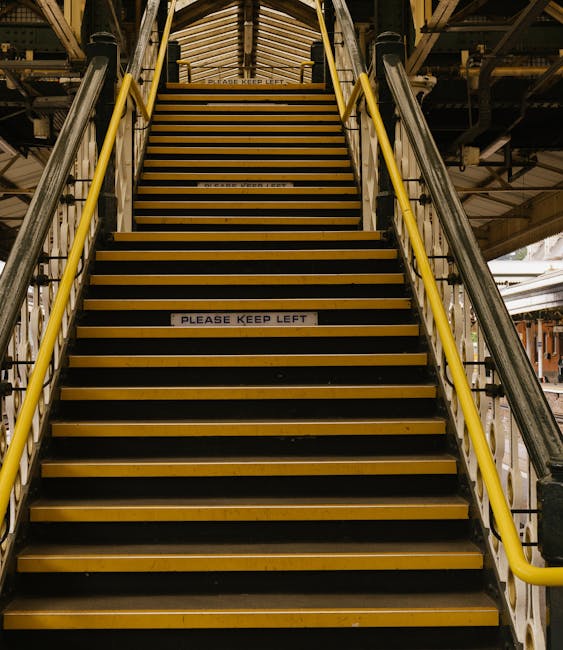
In Southgate, access issues can show up in all sorts of ordinary ways: maisonette stairs, compact flats, shared entrances, stepped front paths, basement rooms, tight parking, and those lovely old staircases that twist just enough to make a mattress feel twice its size. Truth be told, most removal stress starts before anything is even lifted. This guide walks through what access problems really mean, how stair carries are handled, what to expect on moving day, and how to reduce risk without overcomplicating the process.
If you are comparing moving options, it also helps to understand the wider service picture. You may find it useful to browse the services overview and, for larger furniture jobs, the dedicated furniture removals in Southgate page. Those are good places to get a feel for what kind of help is available before you lock in a date.
Why Access problems and stair carries for Southgate removals Matters
Access is not a side issue. It affects time, safety, cost, and how much of your day gets swallowed by delays. A move with easy ground-floor access is one thing; a move with three flights of stairs, no lift, and a narrow landing is another. The difference can be dramatic, even when the total amount of furniture is modest.
For Southgate homes, access matters especially because the area includes a mix of property types. Flats above shops, purpose-built apartments, terraced houses, converted buildings, and student lets can all bring different challenges. One property may have a generous front entrance but a tiny internal stairwell. Another may have easy stairs but awkward parking that adds a long carry distance. You really do need to look at the whole route, not just the front door.
It also matters because stair carries are physically demanding. When an item has to be tilted, pivoted, lifted, and steadied on steps, the chance of scraping walls or catching fingers goes up. That is not dramatic language, just reality. A tired mover on a damp stair tread at 4:30pm is not the moment for guesswork.
Expert summary: the more you know about the route from room to van, the smoother the move tends to be. Good access planning is not about being fussy; it is about preventing avoidable damage, strain, and time loss.
If your move is being arranged around a very specific time window, it may also help to look at delivery at the best time for you. Timing and access often go together. A narrow stairwell is much easier to manage when the move is scheduled with proper breathing room, not squeezed into a chaotic rush.
How Access problems and stair carries for Southgate removals Works
In practice, stair carry planning starts with a route check. The mover needs to understand how items will travel from the property to the vehicle. That includes internal steps, external steps, communal hallways, corridor width, door swing direction, headroom, parking distance, and whether the item can actually turn at the landing without a battle.
Most professional removal work follows a simple logic:
- Assess the property and likely access constraints.
- Identify heavy, bulky, or fragile items that will need extra handling.
- Plan the carry route, stair turns, and loading order.
- Bring the right number of people and the right handling gear.
- Move item by item with control, not speed for speed's sake.
That sounds neat on paper. In the real world, the details matter. For example, a sofa may need to be moved vertically through one door and then rotated after the first landing. A wardrobe may need its doors removed before the carry even begins. A fridge freezer is a different animal altogether; it is tall, awkward, and much less forgiving if the grip slips on a step.
Southgate moves often benefit from clear preparation before the crew arrives. If you are still packing, the guidance on packing your items and waiting for the team can help keep the day tidy and predictable. Fewer loose items on stairs means fewer trip hazards. Simple, but very useful.
And if you are dealing with a particularly awkward staircase, the whole job may be best approached as a sequence of small, deliberate carries rather than a single all-in effort. That is usually the difference between a controlled move and a sweaty, slightly tense one where everybody goes quiet for a moment.
Key Benefits and Practical Advantages
There is a practical upside to planning access properly, and it goes far beyond "making life easier". A good stair-carry approach can protect the property, reduce physical strain, and stop delays from building up. That matters whether you are moving one room of furniture or a whole household.
- Less damage risk: walls, railings, doors, bannisters, and item corners are all less likely to get knocked.
- Safer handling: the team can lift in a more balanced way and reduce awkward twisting.
- Better timing: fewer surprises mean a more realistic schedule.
- Cleaner process: less shuffling, fewer repeated trips, and fewer items left stranded in hallways.
- Reduced stress: you are not making decisions on the spot while holding a chest of drawers halfway down a stairwell. Nobody enjoys that.
There is also a quieter benefit: confidence. Once access is properly mapped out, people tend to relax a little. They know the big sofa will fit, or at least they know exactly where the pinch point is. That kind of certainty saves a surprising amount of energy.
For fragile or high-value items, the right handling plan is even more important. A piano, for instance, is not something to wing. If you have one in the property, it is worth looking at piano removals in Southgate and, if needed, the related article on why experts advise against moving a piano yourself. That content sits nicely alongside access planning because pianos and staircases have a long history of disagreeing with each other.
Who This Is For and When It Makes Sense
This kind of support is useful for a lot more people than you might expect. It is not only for huge houses or especially difficult buildings. In Southgate, stair carries and access planning often make sense for:
- flat movers with upper-floor or basement properties
- students moving in or out of shared accommodation
- families relocating from maisonettes or converted houses
- office teams handling desks, chairs, and filing units
- people moving bulky furniture, beds, sofas, or appliances
- anyone with limited parking near the entrance
There is a point where the move stops being a "standard job" and becomes a logistics exercise. You can usually feel it early. Maybe the hallway is too tight for a straight carry. Maybe the stairwell bends around a corner. Maybe the item is not especially heavy, but it is long and awkward, which is often worse. A tall fridge in a narrow stairwell can be more troublesome than a heavier item with a better shape. Odd, but true.
If you live in a flat or shared building, it may be worth comparing the broader moving options too, including flat removals in Southgate, house removals in Southgate, or a smaller-scale man with van service in Southgate. Different property layouts call for different levels of support, and the right match can save you both time and hassle.
Step-by-Step Guidance
Here is a practical way to approach access problems and stair carries without turning the move into a drama.
1. Measure the route, not just the room
Door widths matter. Stair width matters. Landing space matters. So does the angle of the turn. A piece of furniture might fit through a doorway but fail at the stair bend, which is frustrating if you only checked the front entrance.
2. Identify the awkward items early
Mark the items that are bulky, fragile, or unusually heavy. Sofas, wardrobes, mattresses, beds, bookcases, washing machines, and pianos are the usual suspects. The more awkward the item, the more it benefits from a planned carry.
3. Clear the route properly
Take shoes, plant pots, loose rugs, coat stands, and low boxes out of the path. Small clutter causes big problems on stairs. A single item left on a landing can force a risky repositioning. No one wants that moment of "just move it a bit" while balancing on step six.
4. Decide what should be dismantled
Sometimes the best solution is not a harder carry; it is a smaller item. Beds can often be taken apart. Some tables, shelving units, and wardrobes are safer in sections. If you need help with this thinking, the bed and mattress moving guide is a good practical reference.
5. Sequence the load
Load the easiest items first only if that makes sense for the access route. Sometimes the heaviest item should go first while everyone is fresh. Sometimes smaller items should clear the hallway so the bigger carry can happen later. There is no one-size-fits-all answer, which is why a bit of judgement goes a long way.
6. Keep communication simple
Short commands work best: "lift", "pause", "turn", "down", "watch the step". Long explanations in the middle of a stair carry are not ideal. They slow everything down. Clear, calm, and brief is the sweet spot.
7. Check the finish
After the move, look back along the route. Check for scuffs, loose packaging, missed items, or forgotten hardware. It sounds basic, but the last five minutes often save a lot of unnecessary follow-up.
Expert Tips for Better Results
In our experience, the little things make a huge difference. Not fancy tricks. Just the boring, sensible bits that tend to get skipped when people are in a hurry.
- Use mattress bags or sofa covers so fabric does not pick up stair dust or corner scrapes.
- Remove drawers and loose shelves before carrying large furniture downstairs.
- Protect corners and hand contact points on especially tight stairwells.
- Plan the move for a quieter time of day if parking or foot traffic is likely to be awkward.
- Keep children and pets away from the stair route until the carry is finished.
- Leave a little breathing room at the top and bottom of stairs so the team can pivot safely.
One thing people sometimes forget: the weather changes the job. A damp pavement, wet shoes, or a bit of drizzle on the front steps can make the outside portion of the move noticeably slower. London weather enjoys being unhelpful at exactly the wrong time, of course.
For packing support, the article on packing right for a seamless move pairs well with stair-carry planning, because well-packed boxes are far easier to carry than overfilled, bulging ones. If you have ever seen a box bowing at the bottom, you already know what I mean.
And if you are moving with limited time, it may help to read stressless moving tips and tricks. The best access plan is the one that reduces pressure before the day even starts.
Common Mistakes to Avoid
A few mistakes show up again and again in difficult-access moves. Avoiding them is often enough to prevent most of the chaos.
- Ignoring the stair angle: an item may fit in width but still fail on the turn.
- Assuming one extra pair of hands solves everything: more people can help, but only if they are coordinated.
- Leaving packing until the last minute: loose items slow down every carry.
- Skipping a route check: this is how people discover a hidden pinch point at the worst possible time.
- Overloading boxes: heavy boxes on stairs are a recipe for strain and wobble.
- Forgetting to warn about fragile access points: low ceilings, glass panels, old bannisters, and tight landings need a heads-up.
Another common mistake is trying to "push through" rather than reset and rethink the route. Sometimes the best move is to stop for ten seconds, reposition, and try a cleaner angle. That is not failure; it is competence. Mildly annoying, yes. But smarter.
Tools, Resources and Recommendations
You do not need a warehouse full of gear, but a few sensible tools and resources can make access work easier.
- Furniture blankets for protecting finishes and corners.
- Straps or lifting aids for better grip on awkward items.
- Mattress covers to keep fabrics clean on stair edges.
- Strong boxes and packing tape to stop load failures halfway down a staircase.
- Basic dismantling tools if beds, tables, or shelving need to come apart first.
You may also want to look at the broader packing and storage support pages, especially packing and boxes in Southgate and storage in Southgate if you are moving in stages. If access is awkward on one day, splitting the move into parts can sometimes be the calmer option.
For people who like to prepare properly, the decluttering guide before relocating is also worth a look. Less clutter means less carrying, and less carrying is never a bad thing.
Law, Compliance, Standards, or Best Practice
For moving work involving stairs, the main concern is safe handling and reasonable care. In UK practice, removals teams are expected to work in a way that reduces foreseeable risk to people and property. That means using appropriate lifting methods, not forcing unsafe loads, and stopping if the route is not safe.
Good practice usually includes:
- clear communication before lifting
- enough people for the item and route
- careful manual handling on stairs
- route checks for trip hazards and obstructions
- protective packing where needed
- using professional judgement when access is too tight for a safe carry
If access is borderline, it is better to be honest about it. There is no prize for pretending a bulky wardrobe will magically fit once it reaches the stairwell. It won't. And the wall usually loses that argument.
It is also sensible to review service information before booking. Pages such as health and safety policy, insurance and safety, and terms and conditions can help set expectations around responsibility, safe handling, and what happens if access issues need extra planning.
For customers who want fuller company context, the accessibility statement and services overview are also useful reads. They help you understand how the business frames service quality and customer support, which is especially handy when your building layout is anything but standard.
Options, Methods, or Comparison Table
Not every move with stairs needs the same approach. Here is a simple comparison to help you choose the right method.
| Method | Best for | Pros | Trade-offs |
|---|---|---|---|
| Full stair carry with a removal team | Heavy furniture, multiple items, awkward routes | Safer handling, better control, less strain | May take longer if access is very tight |
| Dismantle and carry in sections | Beds, wardrobes, tables, shelving | Easier turns, less wall contact, more manageable loads | Needs time and basic tools |
| Smaller van plus shorter carries | Properties with difficult parking or narrow roads | Better access to tight streets, simpler loading | May need more trips |
| Staged move with storage | Multi-day moves or access-limited properties | Less pressure on one day, more flexibility | Requires extra planning and storage arrangement |
For some homes, the best answer is a mix of methods. A sofa may be taken apart, a bed moved in sections, and smaller boxes carried separately. That is often the smoothest route. Not glamorous, but effective.
If you are weighing up different moving formats, the pages for man and a van Southgate, removal van Southgate, and removal companies Southgate can help you compare what type of support suits your property and access conditions.
Case Study or Real-World Example
Picture a move from a first-floor flat near a busy Southgate side road. The property has a narrow shared staircase, a tight bend halfway down, and no lift. The client has a sofa, a double bed, a chest of drawers, several boxes, and a washing machine. Parking is possible, but only for a short window. Classic Southgate logistics, really.
The first step is the route review. The sofa cannot go down flat, so it needs a controlled tilt and turn. The bed is dismantled before the day begins. The chest of drawers is light enough once emptied, but the drawers are removed first to prevent shifting. The washing machine is checked for hoses, transit safety, and the route down the stairs. Boxes are packed tightly so nothing bursts open on the landing. Not exciting, just sensible.
What made the difference was not speed. It was sequence. The team started with the awkward items while everyone had energy, used short communication on the stairs, and kept the landing clear. The client had been worried the sofa would never make the corner. It did. Slowly, with a bit of patience, and no wall damage. That moment of relief at the end is one you will recognise if you have ever moved in a place with tricky stairs.
For a similar kind of practical preparation, the article on moving near Southgate Station with parking tips is useful because parking and access often go hand in hand. If the van cannot get close, even the best stair-carry plan becomes longer than you wanted.
Practical Checklist
Use this checklist before moving day. It is simple, but it covers the essentials.
- Measure doorways, stair width, and landing space
- Check whether furniture needs dismantling
- Identify the heaviest and bulkiest items
- Clear stairs, hallways, and entry routes
- Remove loose rugs and trip hazards
- Pack boxes securely and avoid overfilling
- Tell the removals team about low ceilings, awkward turns, or fragile surfaces
- Confirm parking access and unloading distance
- Keep children and pets away from the stair route
- Have covers, tape, and basic tools ready
- Double-check that valuables and documents are kept separate
- Leave enough time for careful handling, not just loading
If you are also planning cleaning and final checks before handover, the guide on cleaning before moving out can save you a last-minute scramble. That final tidy-up is always easier when the main furniture has already been handled properly.
Conclusion
Access problems and stair carries for Southgate removals are not just a practical nuisance; they shape the whole move. When you plan them properly, you reduce risk, protect belongings, and give yourself a move that feels controlled rather than chaotic. And if the stairs are awkward, that does not mean the move is doomed. It just means the route needs more thought.
To be fair, most difficult-access jobs become manageable once the route is broken down into steps. Measure the space, prepare the items, keep the path clear, and choose the right moving support for the job. That is usually enough to turn a stressful carry into a routine one.
If you want tailored help for a property with tight stairs, narrow entrances, or a tricky loading point, the safest next step is to speak with the team and describe the access honestly. A few clear details at the start can save a lot of heavy lifting later.
Get a free quote today and see how much you can save.
And if you are still in the planning stage, remember this: a move is rarely perfect, but with the right access plan, it can still be calm, efficient, and strangely satisfying when the last box lands exactly where it should.
Frequently Asked Questions
What counts as an access problem in a Southgate removal?
An access problem is anything that makes moving items from the property to the van slower, harder, or less safe. That can include narrow stairs, tight landings, low ceilings, long carry distances, difficult parking, or awkward turns inside the building.
Do stair carries always cost more?
Not always, but they can affect pricing because they take more time, more effort, and sometimes more people. The exact impact depends on the stairs, the item size, and how far the carry is from the vehicle. It is best to ask for a proper quote rather than assume.
Can a sofa be moved down narrow stairs?
Sometimes yes, sometimes no. It depends on the sofa dimensions, stair width, turning space, and whether the sofa can be tilted or partially dismantled. A good route check usually reveals the answer before moving day.
Should I dismantle furniture before the movers arrive?
If you can do it safely and keep the fixings together, yes, often that helps a lot. Beds, tables, shelving, and some wardrobes are much easier to move in sections. If you are unsure, leave it and ask the removals team for guidance.
What should I tell the removals company about access?
Be specific. Mention stair count, narrow landings, any lifts, parking restrictions, low doorframes, and whether items need to turn sharply. The more honest and detailed you are, the easier it is for the team to plan properly.
Is it safer to carry items upstairs or downstairs?
Downstairs is often easier for bulky items, but both directions need care. The key issue is control, balance, and communication. A good team treats both directions seriously, because one bad step can cause a problem either way.
What if my building has no lift?
No lift is common in many Southgate flats and maisonettes, so it is not unusual. It just means the team needs to plan stair carries carefully, allow enough time, and possibly bring extra help for larger items.
Can I leave boxes on the stairs to save time?
It is better not to. Stairs should stay clear during the move because boxes become trip hazards very quickly. Even a small parcel on a landing can create a safety issue when someone is carrying a larger item.
How do movers protect walls and bannisters during stair carries?
They may use blankets, padding, careful positioning, and controlled lifting angles. The main protection, though, is good technique and route planning. A careful carry does more than any quick fix ever could.
What happens if an item simply will not fit?
Then the team may try dismantling, rotating, changing the route, or moving the item in sections. If none of that is safe, the item may need an alternative plan. It is better to stop and reassess than to force it and cause damage.
Are stair carries suitable for same-day removals?
Yes, if the access issues are understood early enough. Same-day work can still be successful, but it leaves less room for surprises. For tight buildings, giving clear access details matters even more when time is short.
Where can I learn more about related moving services?
You can explore the broader service options through removal services in Southgate, or look at same-day removals in Southgate if you need something more time-sensitive. For a smaller-scale move, man with a van Southgate may also be a practical fit.
How do I get a quote for a difficult-access move?
The simplest way is to provide the property details, the number of flights of stairs, the items being moved, and any parking restrictions. For a direct enquiry, use the contact page and mention the access issues clearly so the quote reflects the real job.
What if I need storage because access is too awkward on moving day?
That happens more often than people think. A staged move can reduce pressure, especially if the property is not ready or the route is too tight for everything in one go. In that situation, storage in Southgate can be part of the solution.